There were books, long before the camera.
Thick encyclopaedias, their pages faintly yellowed, smelling of glue and printed paper. I was nine, ten, maybe twelve. I opened them without looking for anything in particular, and each page carried me elsewhere — which is exactly why I found everything. A fjord photographed in Iceland. A market in Morocco. Seabirds on a wind-beaten cliff. I didn’t yet know these images were working on me. I thought I was only looking.
In the 1970s, the 1980s, people travelled little. The world was distant — tangible and unreachable at once. Those photographs, those pictures, were windows opening onto a faraway world — not screens, not feeds. Windows we opened slowly, closed, opened again. We had the time to let them live inside us.
There was the radio too, of course.
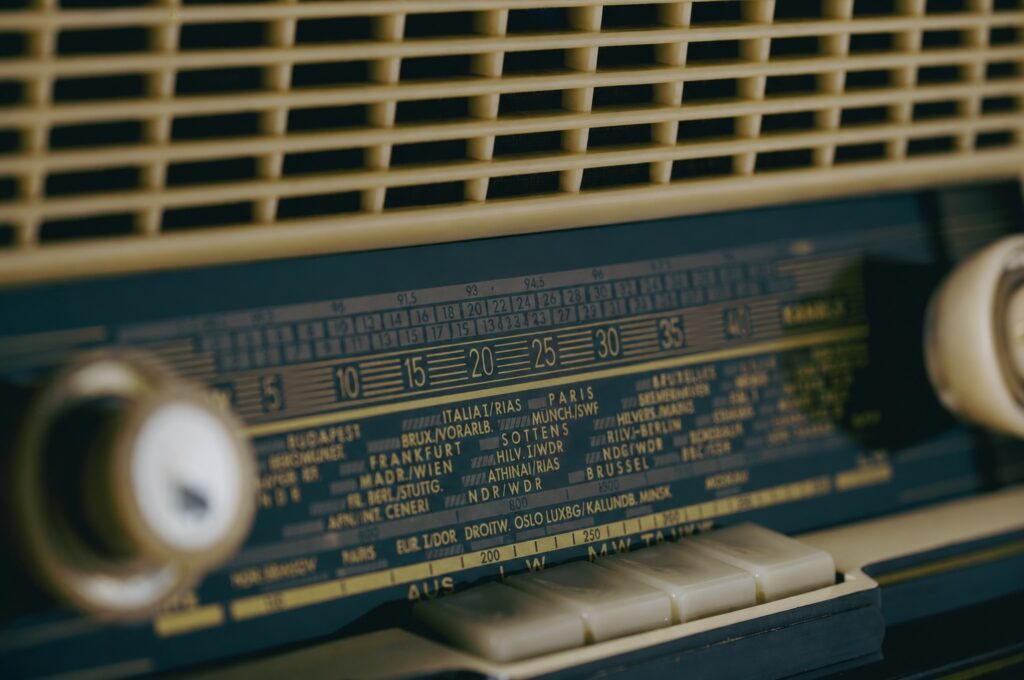
Not just for the music — for the dial. That bakelite dial with city names engraved in gold letters: London, Paris, Rome, Hilversum, Sottens, Berlin. Names we couldn’t quite pronounce yet, which we read like a poem without understanding every word — letting the sound do its own work.
Those cities didn’t really exist. They existed better than that: they were images built inside my adolescent head. The settings where the heroes of the novels I read lived their lives. London was foggy and cobbled, of course — the place where Phileas Fogg packed his bags with a watchmaker’s precision, about to cut the world in two in eighty days. Rome smelled of warm stone. Berlin held something grave, a crack somewhere.
Then the islands… The ones you wash up on, where you learn to look at things you’d never otherwise have looked at. I got lost alongside Robinson, invented with him shelters, paths, reasons to keep going. Those books weren’t teaching me geography. They were teaching me something more useful: that the journey begins long before.
I would discover reality later. But those images never entirely left. They still overlay each other sometimes, the first time I arrive somewhere — when I recognize a place I’ve never seen.
That’s where it all began, I think. Not with a camera. With a way of looking.
I haven’t always traveled. And then one day, I began—late, yes, but suddenly, urgently. As if something, long contained, had finally overflowed. I needed to see, to walk, to move away. Books had prepared me. So had the silences.
It wasn’t landscapes or faces I was seeking. I was seeking what they awaken.
I didn’t always travel. Then one day I started — late, yes, but all at once, in a rush. As if something long held back had finally overflowed. I needed to see, to walk, to move away. The books had already prepared me.
What I was looking for wasn’t landscapes or faces. I was looking for what they awakened.
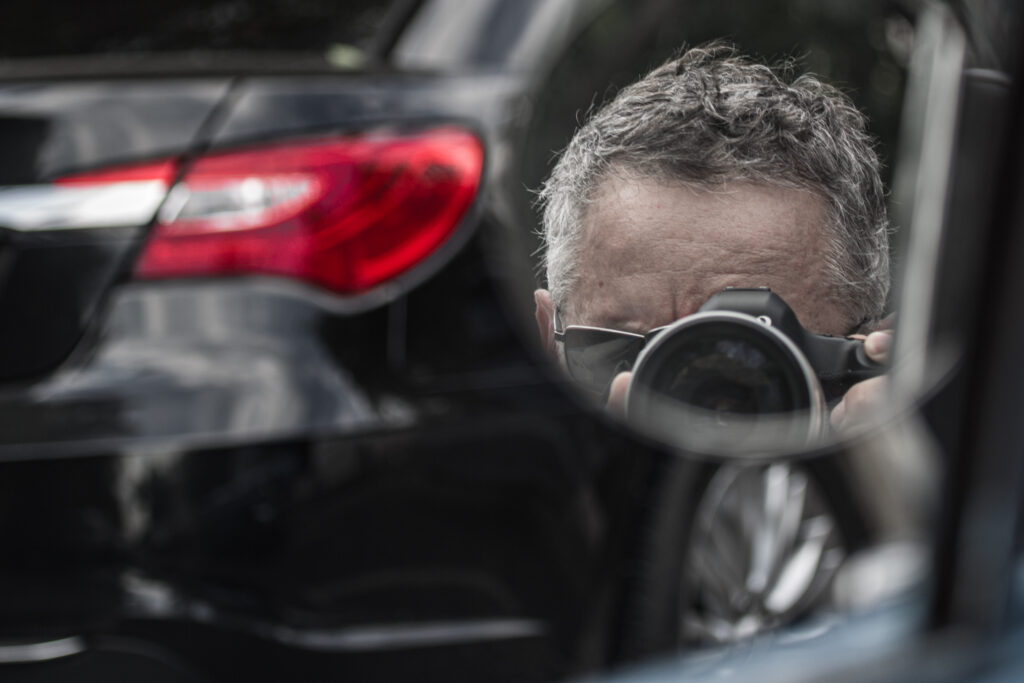
Photographing, for me, isn’t seizing a moment — it’s more a way of staying attentive. Of truly being there, in the instant when the light does something unexpected, when a face opens for a thousandth of a second, when a landscape says something no word could say as truly.
The camera forces you to look before you press the shutter. And sometimes we don’t press it at all. We simply look. And that’s enough.
I don’t know if there’s an underlying question in every photograph I take. Sometimes I think there is, but first, I look. A curious gaze — the gaze of the child leafing through encyclopaedias, who never really closed those pages. Places and faces follow one another, overlap, call out to each other. I’m in awe of this world — our world, the one we haven’t quite managed to destroy yet, the one that still resists us. I’m in awe of the diversity of the living, of people, of light, of ways of being in the world.
Sometimes I prepare for a long time. I wait. I come back. I circle around a moment I haven’t yet managed to catch. Sometimes it’s almost instinctive — something happens, and the hand follows before the mind has had time to decide.
This isn’t an aesthetic pursuit in the cold sense of the term — even though light, framing, and texture matter enormously. It’s more a way of keeping an inner notebook. Photographs are pages. They say: I was there. I saw that. Something stirred in me.
Photographing is perhaps this: trying to reconcile what we imagined with what we found. Or, conversely, letting the unexpected disrupt everything we thought we knew.
The child leafing through encyclopaedias was searching for worlds. The teenager listening to city names on the radio dial was building others, filled with heroes and departures. The adult who photographs is searching for the same thing — but has understood that worlds aren’t only out there. They are the angles we choose. What we decide to keep, and what we leave outside the frame.
And if this journey has a purpose — if there exists, somewhere, an island — then, as in that old poem*, let everything else serve as a pretext: the detours, the slowness, the unexpected. What we discover along the way. And above all, what we discover in ourselves.
That’s why I photograph.
* Constantine Cavafy’s poem “Ithaka.”